
Leh
The capital at 3,500m — Leh Palace above the bazaar, acclimatisation base, and gateway to all Ladakh expeditions.
The essence
Ladakh is India's highest inhabited plateau — a landscape so vast and so spare that it forces you to slow down. The average altitude is 3,500 metres. The air is thin, the sun is fierce, the nights are cold, and the roads are genuinely challenging. In return, the landscape offers something that most of the world has lost: true silence. Pangong Tso, at 4,350 metres, changes colour from cobalt to teal to jade across a single afternoon. The monastery at Hemis, the largest in Ladakh, fills its courtyards with butter-lamp smoke and the sound of ritual horns. The Nubra Valley, accessible over the Khardung La pass, looks like a scene from Central Asia — sand dunes, double-humped camels, and apricot orchards against bare granite cliffs.
Starting from
₹95,000
per person · custom itinerary
Best season
June to September — road season. July–August is peak. October–November: Pangong is crisp, clear, and uncrowded. Avoid December–May (passes closed).
Culture & History
Ladakh's culture is Tibetan Buddhist at its core, shaped by its position between India, China, and Central Asia. The dzong monasteries — perched on cliff edges above river confluences — were built for defence as much as devotion, and many date to the 11th and 12th centuries. Hemis, Thiksey, Diskit, and Lamayuru are the major ones; Diskit in Nubra has a 32-metre Maitreya Buddha visible from the village. The annual Ladakh Festival (September) brings traditional music, archery, polo, and monastery dance performances to Leh. The Ladakhi language is closely related to classical Tibetan. The food — tsampa barley porridge, thukpa noodle soup, butter tea — reflects the altitude: dense, warming, and ancient.
Common questions
Places to explore
Leh
The capital at 3,500m — Leh Palace above the bazaar, acclimatisation base, and gateway to all Ladakh expeditions.
Nubra Valley
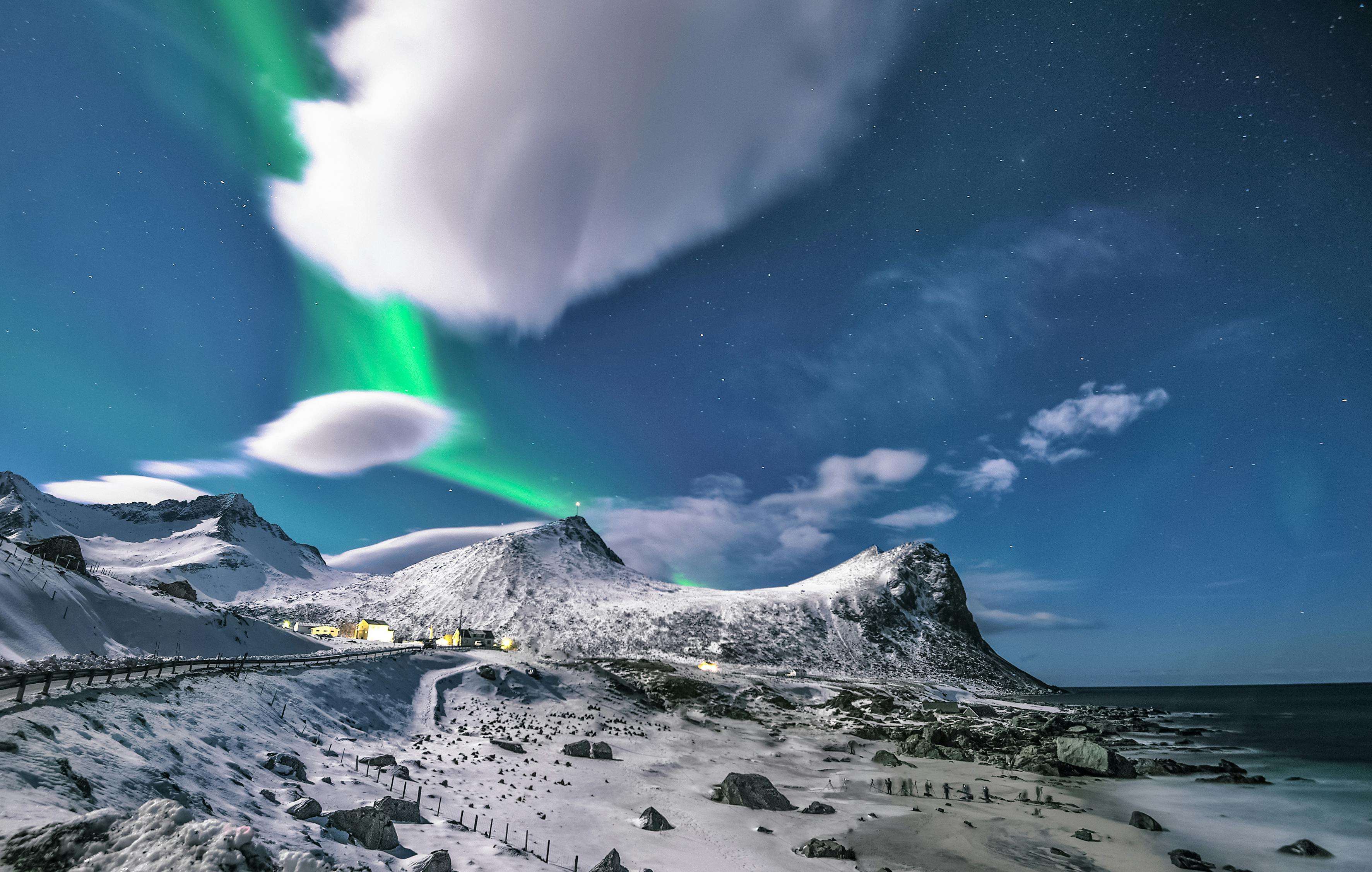
Sand dunes, Bactrian camels, and the world's highest motorable road over Khardung La — a Central Asia in miniature.
Pangong Tso
The 134km lake straddling India and Tibet — famous for shifting from cobalt to teal to indigo across a single afternoon.
Signature moments
Continue exploring


